Rigorous certification that unlocks demand and delivers revenue in days, not months.

More than 100 buyers have signed with Isometric because of its scientific rigor, public evidence, and aligned incentives, with more than 16 million tonnes of carbon removal contracted to date.
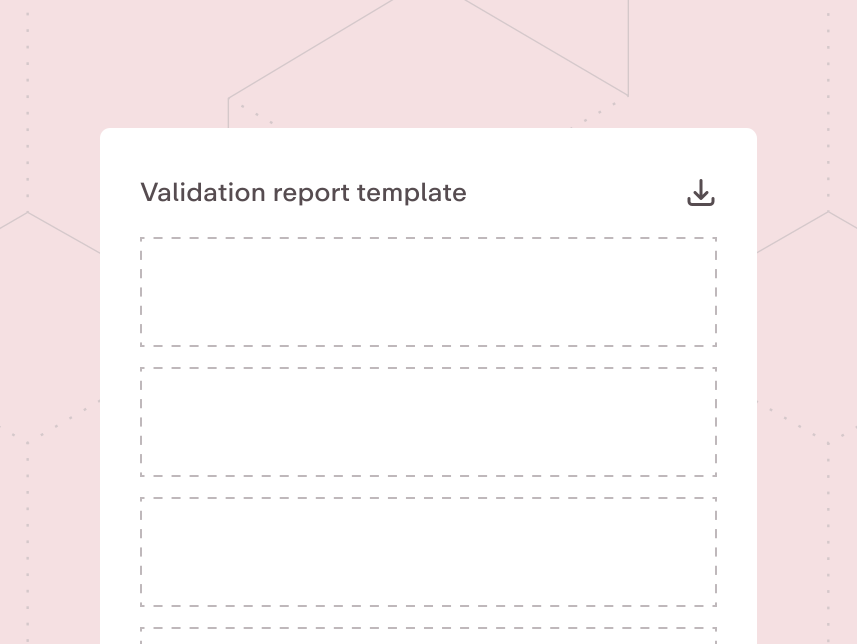
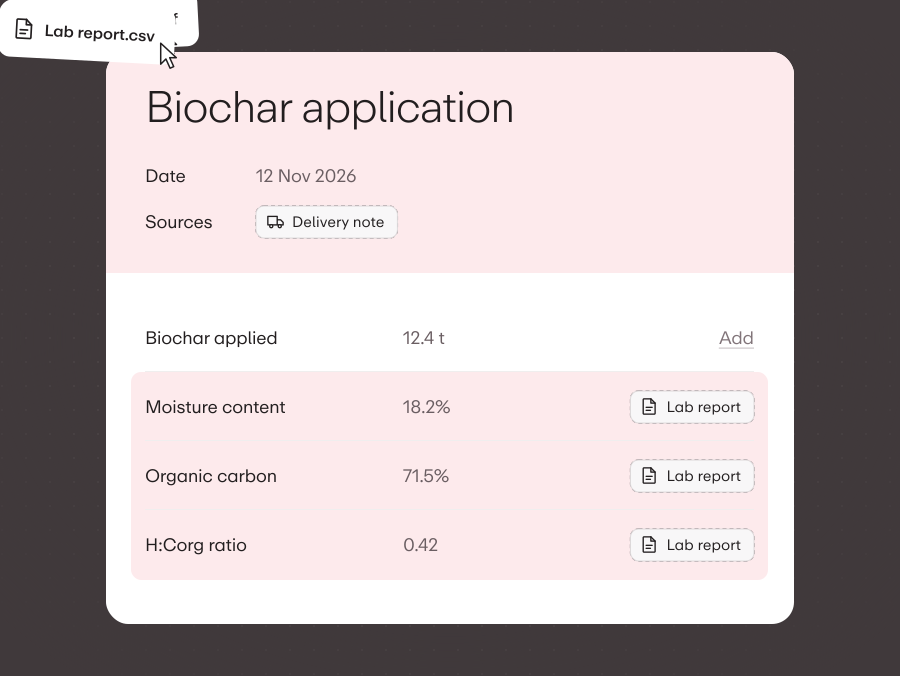
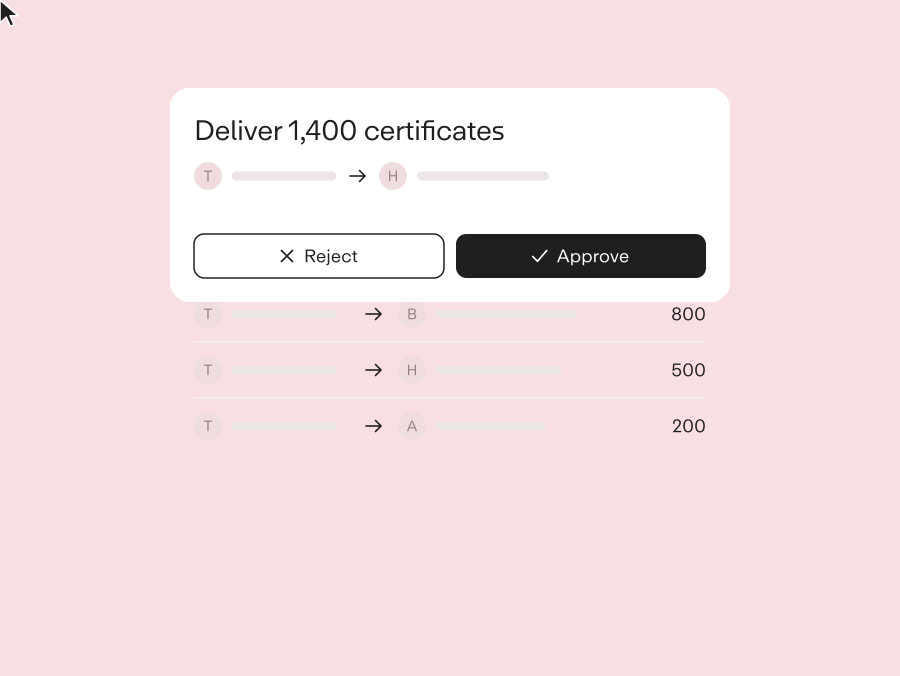
Certify connects directly to dMRV systems and automates the manual work in every verification, so Bio-CCS projects receive certificates in days.
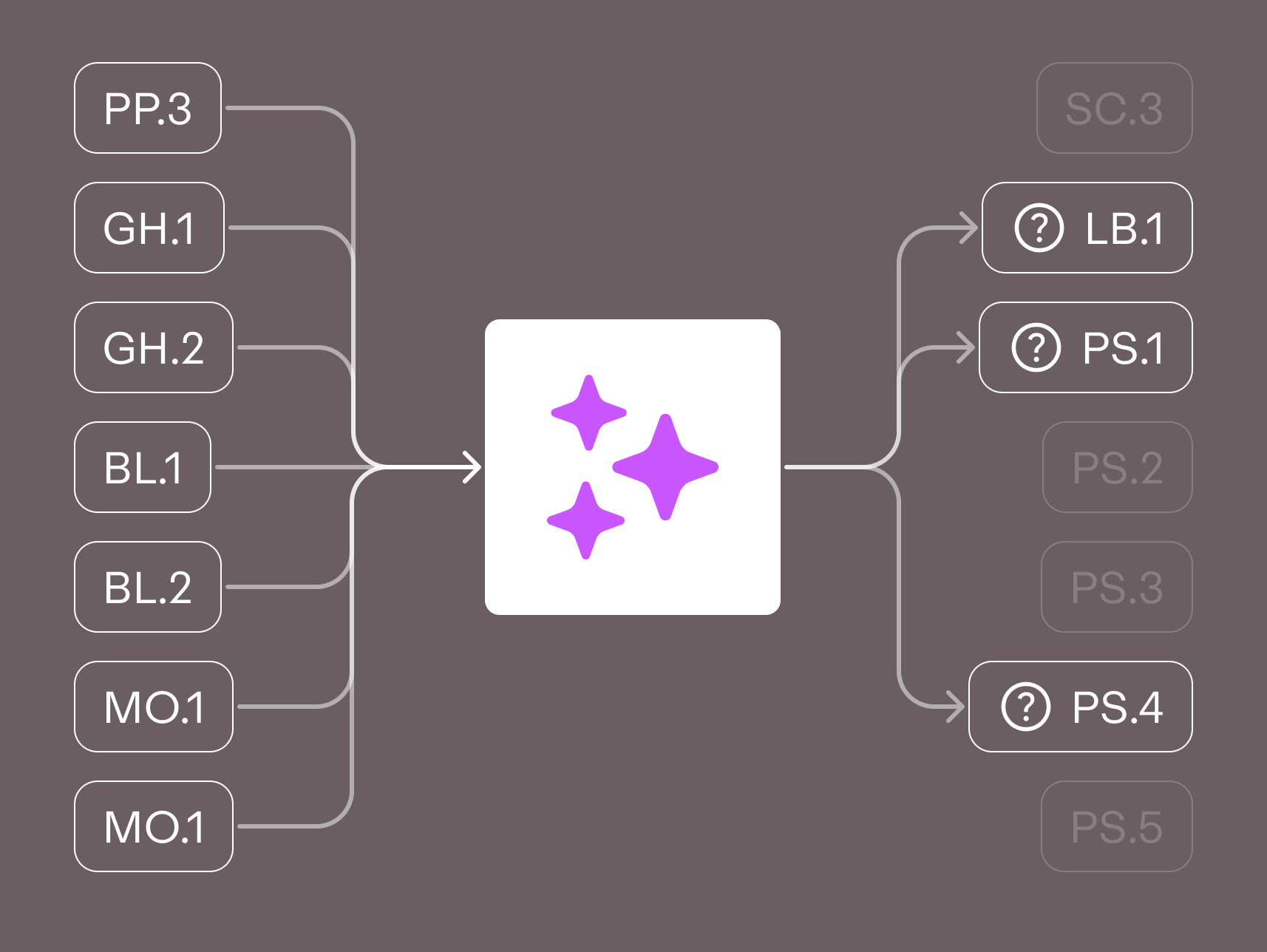
One modular protocol covers four capture technologies and five storage approaches, so projects can certify from capture to storage, whatever their setup.
Isometric is accredited by ICVCM, CORSIA, and ICROA, and its Bio-CCS Protocol was the world's first approved to use the CCP label. Isometric was also the first certifier to apply for recognition under the EU CRCF, and will offer CRCF certification from 2027.
Isometric is accredited by ICVCM, CORSIA, and ICROA, and has nine protocols approved to use the Core Carbon Principles label.


“Isometric's rigorous measurement approach and transparency sets a high bar for integrity in the carbon removal market.”
“By selecting Isometric as the project's carbon registry, we are sending a clear signal to buyers and regulators that these credits will adhere to the highest standard of scientific rigour.”

“Robust standards and certification for these removals, which give purchasers and the public confidence that the removals are sound and have a real environmental impact, are key to developing this market.”
Developed by the Isometric Science Team, the Bio-CCS Protocol sets clear requirements for every capture, transport, and storage approach.
Deep underground rock filled with salty water.
Former oil and gas fields.
Underground rock where carbon dioxide turns to stone.
Concrete and other building materials.
Seawater, as stable dissolved carbon.
Four steps take a Bio-CCS project from eligibility to issued certificates.
Isometric reviews the project's biomass feedstock, capture facility, and planned storage against the protocol.
A bespoke review for Bio-CCS projects that checks the project design early, so developers can plan with confidence, show buyers they're on track, and reach validation and verification prepared.
An independent verifier confirms the project design meets the Bio-CCS Protocol. Each reporting period, Certify checks capture, transport, and storage data, then the verifier reviews it.
Certificates are issued on the Registry alongside the data behind them.

Certify is Isometric's certification platform. Bio-CCS projects can connect their dMRV systems directly to Certify, so capture, transport, and storage data flows straight in for every verification. Isometric regularly releases new features to make certification even simpler.
Explore the changelog →Bio-CCS covers any facility that captures biogenic carbon dioxide and stores it durably. BECCS, or bioenergy with carbon capture and storage, is the part of Bio-CCS where the facility also generates energy. Isometric's Bio-CCS Protocol covers the full range.
Isometric was the first certifier to apply to the European Commission for recognition under the CRCF, which reviews applications on a first-come, first-served basis. Isometric will offer CRCF certification to Bio-CCS projects from 2027. Read about the application.
Isometric's Bio-CCS Protocol was the first Bio-CCS protocol approved by the Integrity Council for the Voluntary Carbon Market (ICVCM) to issue certificates with the Core Carbon Principles (CCP) label, which buyers use to identify high-integrity carbon credits. Certificates issued under CCP-approved versions of the protocol carry the label.
Biomass power and CHP plants, energy-from-waste plants, biogas and biomethane plants, bio-hydrogen facilities, and other point sources capturing biogenic carbon dioxide can all certify. New builds and retrofits are both eligible, as long as the biomass meets Isometric's sustainability requirements and the carbon dioxide is stored for more than 1,000 years. See the full criteria.
Feedstock eligibility is set by Isometric's Biomass Feedstock Accounting Module, which covers sustainability, land use, and how the biomass would otherwise have been used. The feedstock eligibility questionnaire gives a first answer before a project applies. Check feedstock eligibility.
Projects using shared pipelines, ships, or hubs can certify. Stored volume is the project's measured capture minus its share of losses across the shared network.
Facilities burning mixed waste take continuous radiocarbon samples from the flue gas by default to measure the biogenic share, and only that share earns certificates.
One project proponent is named in contracts as the sole owner of the certificates, even when different companies run capture, transport, and storage.
Isometric charges its certification fee to the buyers of certificates, so there is no certification fee for project developers. See how fees work.
Each certificate represents one tonne of biogenic carbon dioxide captured and durably stored, after subtracting emissions from biomass sourcing, capture, transport, and storage.
Isometric provides dedicated support to projects switching from other registries. Contact the team to find out more.
Fast, accurate certification for project developers and buyers.